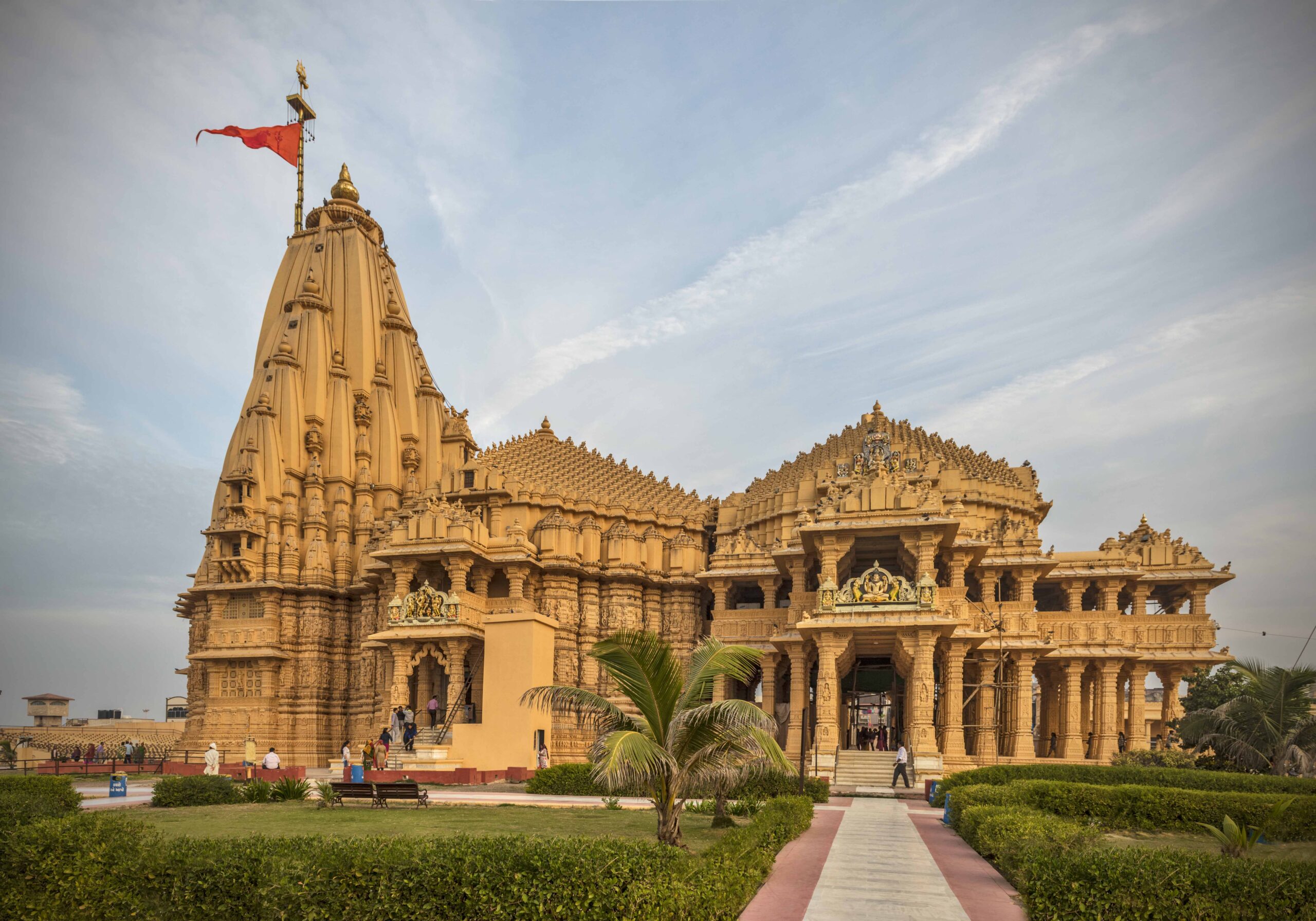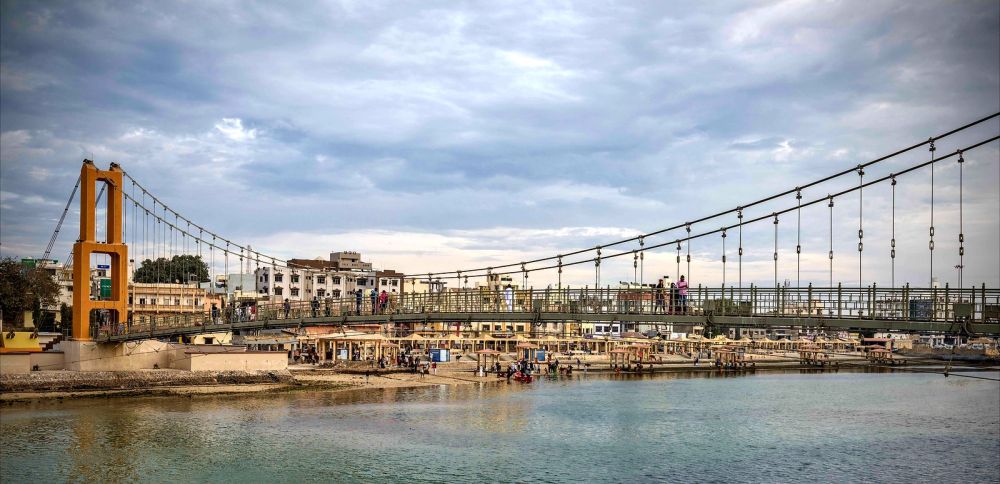
Sudama Setu
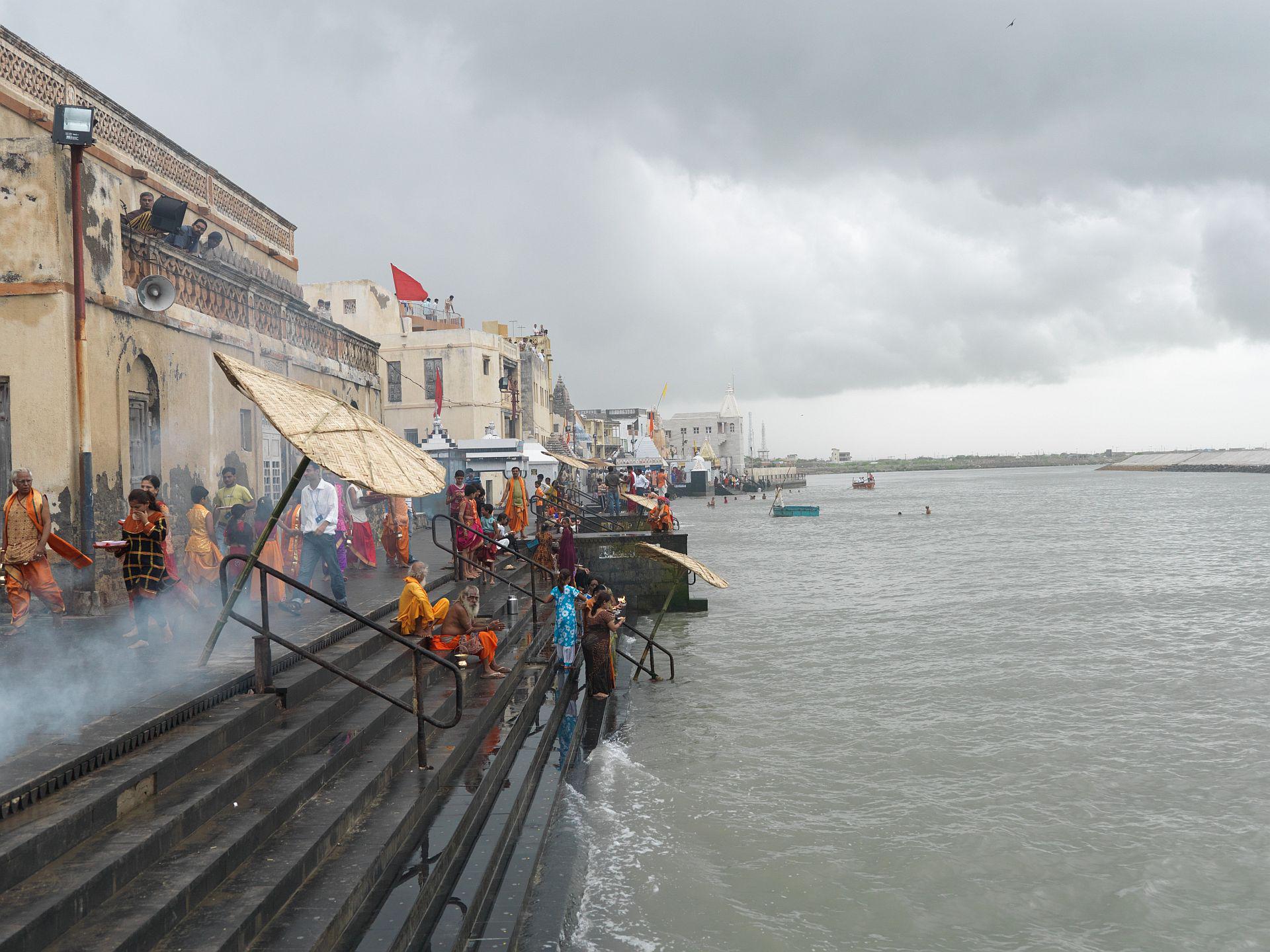
A pedestrian bridge over the Gomti River, connecting the main Dwarka town with the Panchkui area.
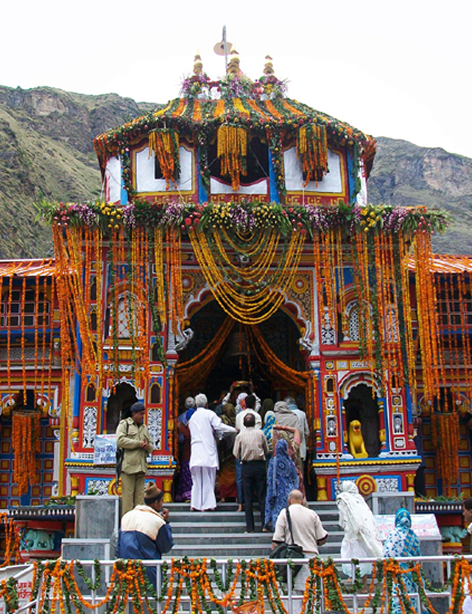
God : Lord Vishnu
Religion : Hinduism
Address : Dwarka, Devbhumi Dwarka District 361335, Gujarat, India


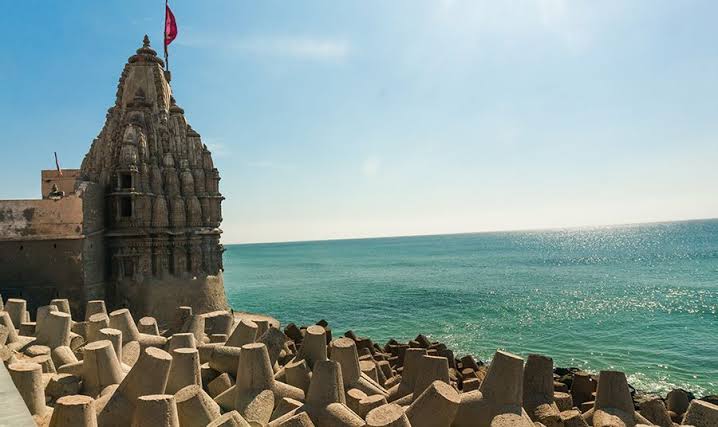
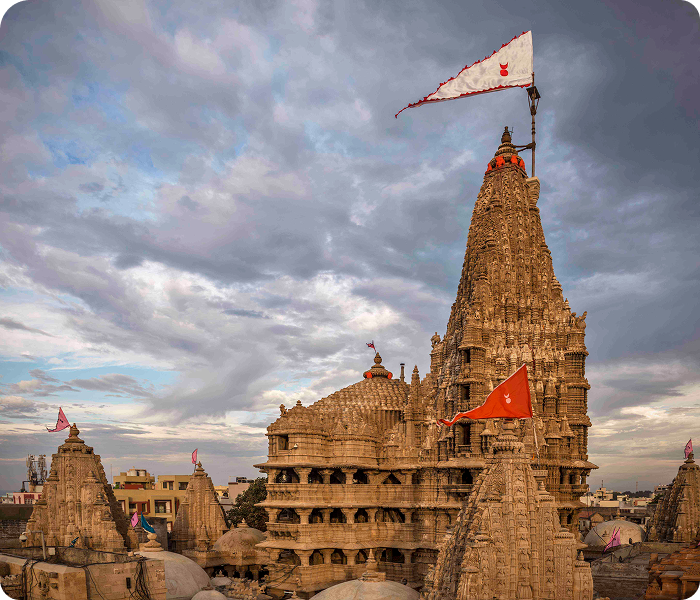
The Dwarkadhish Temple, also known as Jagat Mandir (Universal Shrine), is one of the most revered Hindu temples in India. It is a vital stop on the Char Dham pilgrimage circuit.
Significance: The Dwarkadhish Temple is a major pilgrimage center, considered one of the four principal holy abodes (Char Dham) for Hindus. It is also one of the Sapta Puri (seven holy cities).
Architecture: It is a magnificent five-story structure built in the Chalukya style of architecture, constructed with limestone and sand.
The original temple is believed to have been constructed around 200 BCE or even earlier by Vajranabha, Lord Krishna's great-grandson, over the Hari-Griha (Krishna's residential place).
It is one of the four cardinal pilgrimage sites established by the 8th-century philosopher Adi Shankara.
The two entrance/exit gates, Swarga Dwar and Moksha Dwar, symbolize the spiritual journey of life and salvation.
Legend says the saint-poet Meera Bai, a staunch devotee of Lord Krishna, merged with the main idol of the deity here.
The massive flag on the spire is changed four times a day (sunrise, noon, sunset, and before temple closure). Devotees sponsor the flag hoisting as a devotional offering.
Vajranabha constructed an umbrella type monument in the memory of his forefather in East of Harimandir, which remains from merging into the sea.
According to Brahmi Script at the 1st floor of Harimandir, (less than 1/3 of today’s Ladva mandir)It is believed that the renovation of this portion was done during this period of time.
Mahakshatriya Rudradama defeated Dwaraka’s king Vasudev 2nd. After his death his wife Queen Dheeradevi called up his religious brother Pulumavi from python to get help, that time Rudradama compromised with them and married his daughter to king Pulumavi and accepted Vaishhnav religion. According to this historical story it is understood that worship of Krishna was popular at Dwarka. And due to this Vajranabha had constructed a chhattri (an umbrella type monument) and put Shree Krishna ‘s idol there.
Shreemad Adyaguru Shankaracharya renovated the Dwarkadhish temple and established the shrine of Adyashakti at fourth floor.
Shree Nrushinhaashrma (Who defected the Brihaspatguru in the debut of scriptures at Patan) The head of the Shreemad Jagatguru Shankaracharya pith renovated the temple.
According to Sankaliya in the 10th century there was a temple of Krishna.
Minaldevi came to Dwarka and renovated the temple.
There was a rumour that bhakta Bodana (Worshipper) had taken the idol. At that time six males had gone for investigation. Odhavajee and Raghavajee, Son of Ramajeebhai, were among them who belonged to a mean family. Then there is a question that when Udaipur’s Rana came to Dwarka, which Idol was there. So Gugalis thought that there is a false miracle spread to stop the Hindus from changing the religion.
The king of Udaipur Rana Bhimsinhaji Offered 7000 veegha land to Guggali Pujari on Sunday, Kartak Vad 13 Samvat 1218 at Bank of river Gomati. (According to the documents of Brahmin Family). It is assumed that they would have renovated the temple.

The nearest airports are Porbandar Airport (about 110 km) and Jamnagar Airport (about 145 km). From the airport, one can hire a taxi or take a bus.

Dwarka Railway Station (2.5 km from the temple) is a convenient station and is connected to major cities in India.

Dwarka is connected to all major cities in Gujarat and other parts of India by a network of state and national highways. State-run and private buses are available.
Nunc lobortis mattis aliquam faucibus purus in massa tempor nec. Ante metus dictum at tempor commodo ullamcorper a lacus vestibulum pellentesque.